
November 16, 2026
A healthy smile begins with good daily oral hygiene habits, like brushing and flossing. But home care is only part of the equation. No matter how well you care for your teeth on your own, plaque can still build up in hard-to-reach areas, increasing your risk of decay.
This is where routine professional dental cleanings come in. Here’s what you can expect.
An Examination of the Teeth and Gums
Before the cleaning begins, we typically take a moment to assess your oral health. We are looking for signs of gum inflammation, plaque buildup, tooth decay, and other concerns that may need attention. We may also check your gums for signs of periodontal disease.
Communication is key, so we will always discuss a few things with you, such as any symptoms or changes you have noticed since your last dental visit. From there, we may recommend X-rays to get a complete picture of what your oral health looks like.
Remove Plaque and Tartar
Our dental hygienist gets to work freeing the teeth of plaque and tartar. Plaque is a sticky film of bacteria that forms naturally throughout your day. When it isn’t removed thoroughly with routine brushing and flossing, it can harden into tartar, especially along the gumline and between the teeth.
With the help of specialized instruments, we carefully remove these deposits from the surface of the teeth and other areas where buildup tends to collect. This reduces your risk of cavities, gum inflammation, and periodontal disease.
It is not uncommon to hear scraping sounds during this step. Be sure to let us know if you are sensitive to any of it, as we want to make sure you feel comfortable throughout your appointment.
A Polish For Your Teeth
Once the buildup is removed, your teeth will be polished with a mildly abrasive cleaning paste applied with a professional polishing tool. This not only removes a few surface stains, but it also leaves your teeth feeling super smooth and clean.
The goal here is not to make your teeth look bright white like a teeth whitening treatment, but rather to remove any remaining surface deposits. What’s more, the surface becomes a bit too slick for bacteria to easily grab onto.
Floss Between Your Teeth
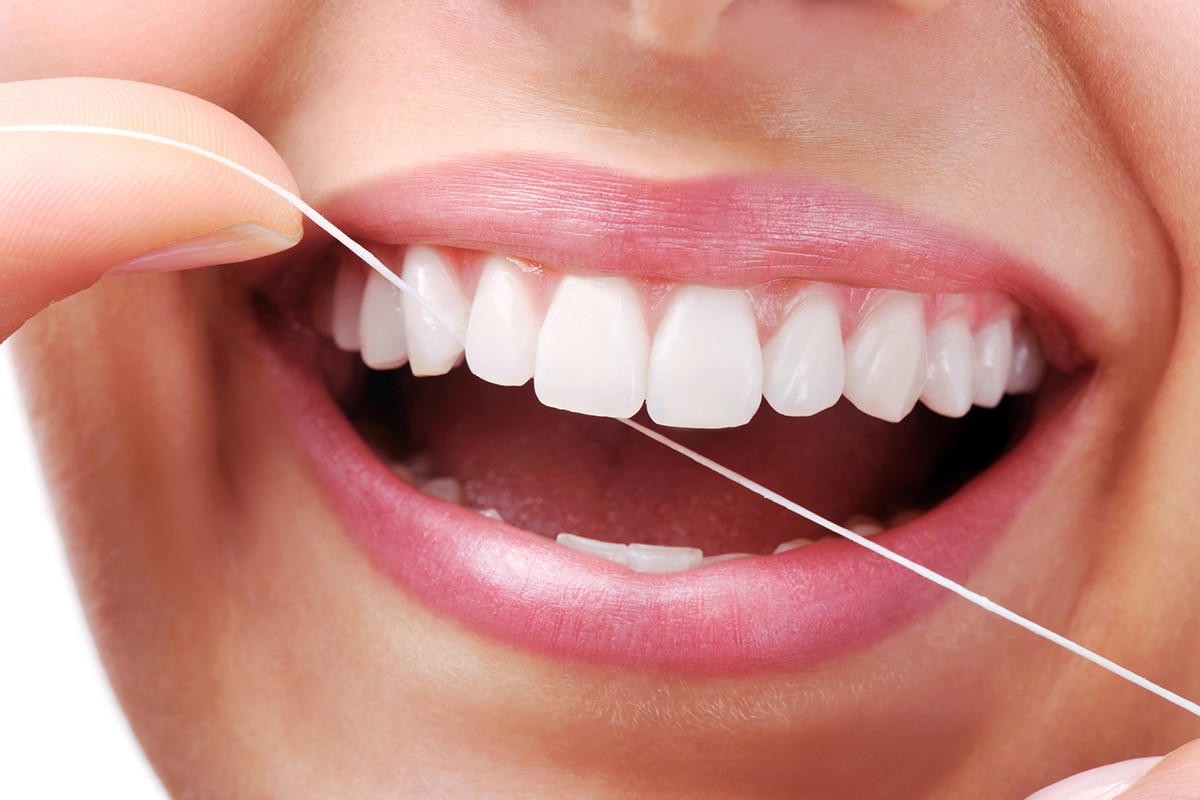
Next up? Flossing. This helps clean between your teeth where plaque and food particles can easily become trapped. We can clear them out and also determine areas where your gums are sensitive and prone to bleeding.
You should be flossing every day. It is not unusual for our hygienist to discuss this with you during this time, as well as reviewing flossing techniques and practical ways to improve what you are already doing at home.
Additional Preventive Treatments
Because we provide personalized treatment for our patients, there are a couple of bonus procedures that may take place during your routine dental cleaning.
Fluoride strengthens enamel and helps protect against cavities, making it a very beneficial treatment for patients of all ages. Those who are at a higher risk for tooth decay are encouraged to have fluoride treatment regularly.
Another important opportunity for prevention is an oral cancer screening. There is no denying that early detection of oral cancer can save lives. And we perform screenings during routine visits for added peace of mind.
A Look at Your Oral Health and Next Steps
When your dental cleaning in Boulder is complete, we will review any areas of concern and discuss future care. If there are any recommendations, such as the need for periodontal care or restorative treatment, a plan will be created and discussed with you so that these things can be addressed.
Remember, our goal is to help you maintain a healthy smile. Scheduling a dental cleaning every six months is an important investment in taking care of your long-term oral health.
Frequently Asked Questions
How long does a routine dental cleaning take?
Most routine cleanings take approximately 30 to 60 minutes, depending on the amount of buildup or if additional treatments are necessary.
Does dental cleaning hurt?
Most patients experience little to no discomfort. However, sensitive teeth, inflamed gums, or significant amounts of tartar buildup can lead to temporary discomfort. Just be sure to let us know if it happens so we can adjust our approach.
Can dental cleaning remove stains from my teeth?
Yes, polishing can remove some surface stains caused by food, beverages, and everyday habits. Discoloration beneath the surface will require additional treatment, such as professional teeth whitening.
What is the difference between regular and deep cleaning?
A regular cleaning removes plaque and tartar from tooth surfaces and around the gumline. A deep cleaning, also known as scaling and root planing, treats buildup below the gumline.
What should I do after my dental cleaning?
Continue brushing twice per day and flossing every day. Follow any personalized recommendations provided. And don’t forget to schedule your next cleaning.
At North Boulder Dental, we provide personalized preventive dental care to help patients of all ages maintain healthy, confident smiles. Contact us today to schedule your routine dental cleaning.